


How much was Bitcoin worth in 2009?
The Year Zero: How 2009 Birthed Bitcoin and Rewrote the Rules of Money
In the annals of financial and technological history, few years carry the mythological weight of 2009. While the global economy was still reeling from the catastrophic collapse of Lehman Brothers and the subsequent subprime mortgage crisis, a pseudonymous developer operating under the moniker Satoshi Nakamoto quietly compiled and executed a piece of C++ code that would irrevocably alter the trajectory of human coordination. This is the definitive technical and historical deep-dive into the year 2009, the crucible in which the first successful decentralized ledger was forged, and the cypherpunk ideology that breathed life into the genesis block.
"What is needed is an electronic payment system based on cryptographic proof instead of trust, allowing any two willing parties to transact directly with each other without the need for a trusted third party." — Satoshi Nakamoto, outlining the core thesis of the Bitcoin whitepaper.
The Prelude: Cypherpunks and the Decades-Long Quest for Digital Cash
To understand the magnitude of what occurred in 2009, one must look past the immediate catalyst of the 2008 financial crisis and examine the cryptographic bedrock laid by the cypherpunk movement of the 1990s. The dream of a purely peer-to-peer electronic cash system had haunted cryptographers for decades. David Chaum’s DigiCash introduced blind signatures, ensuring transactional privacy, but it relied on a centralized bank. Wei Dai’s b-money and Nick Szabo’s Bit Gold proposed brilliant theoretical frameworks for decentralized scarcity and proof of work, yet they ultimately failed to solve the Byzantine Generals Problem in a permissionless environment.
The Byzantine Generals Problem dictates that in a distributed network of nodes, achieving consensus is impossible if malicious actors can spoof identities and flood the network with Sybil attacks. Previous iterations required a trusted third party to prevent double-spending. The breakthrough that Satoshi Nakamoto introduced to the cryptography mailing list in late 2008, and subsequently launched in early 2009, was the elegant synthesis of public key infrastructure, a peer-to-peer network topology, and a cryptographic timestamping server to validate transactions without central oversight.
January 3, 2009: Mining the Genesis Block and the Embedded Manifesto
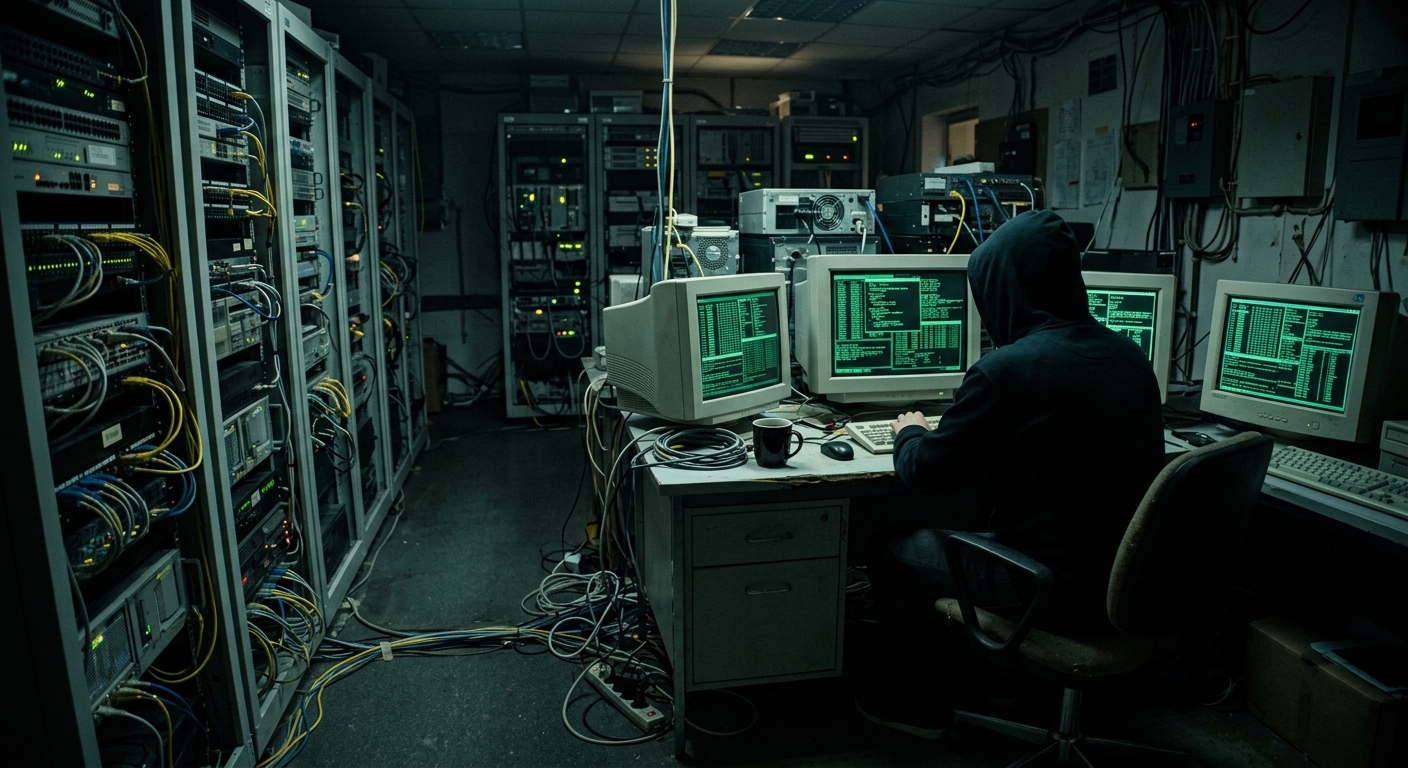
On January 3, 2009, the Bitcoin network officially came into existence with the mining of Block 0, universally known as the genesis block. From a technical standpoint, the genesis block is a hardcoded anomaly within the Bitcoin Core client. Unlike subsequent blocks, its coinbase transaction cannot be spent, a deliberate quirk in the early codebase that resulted in the 50 BTC block reward being permanently locked in an unspendable address.
However, it is the coinbase parameter of this specific block that carries immense historical and ideological weight. Embedded within the raw hexadecimal data of the genesis block is the ASCII string referencing the headline of the London-based Times newspaper on that exact day: Chancellor on brink of second bailout for banks. Cryptographers and historians view this not merely as a timestamp proving the block was not pre-mined before January 3, but as a scathing commentary on the fragility of the fractional reserve banking system and the moral hazard of institutional bailouts. It was a declaration of independence from centralized monetary policy.
The Architecture of Trust: UTXO, SHA-256, and the Consensus Engine
Throughout 2009, the network was a living laboratory. To understand the early days, one must grasp the Unspent Transaction Output (UTXO) model that Satoshi engineered. Unlike the account-based model used by traditional banks or later smart contract platforms, Bitcoin does not track account balances. Instead, it tracks discrete chunks of value that are created by previous transactions and consumed as inputs for new ones. This architecture was chosen for its efficiency in parallel verification and its enhanced privacy properties.
The foundational pillars of this early network included:
- Decentralized Timestamping: Utilizing a peer-to-peer network to generate computational proof of the chronological order of transactions, ensuring a single, immutable history.
- Asymmetric Cryptography: Leveraging elliptic curve digital signature algorithms to ensure only the owner of a private key could authorize the transfer of funds.
- Incentive Alignment: Rewarding nodes that contributed hash power with newly minted coins and transaction fees, securing the network through rational economic self-interest.
Securing this UTXO ledger was the SHA-256 hashing algorithm. In 2009, the network difficulty was at its absolute minimum, set to 1. Miners were not using specialized hardware; they were hashing block headers using the central processing units of their everyday laptops. The proof of work mechanism required miners to find a nonce that, when hashed with the block header, produced a hash value lower than the target threshold. This computational lottery ensured that rewriting the blockchain's history required an immense expenditure of real-world energy, effectively tethering digital scarcity to the laws of thermodynamics.

January 11, 2009: The First Peer-to-Peer Transaction
The true test of any distributed system is its operation in the wild. On January 11, 2009, the theoretical became practical. Hal Finney, a legendary cryptographer, veteran of the cypherpunk mailing list, and the creator of the first reusable proof of work system, downloaded the Bitcoin client. Recognizing the profound implications of the software, Finney began running a node and mining blocks.
That same day, Satoshi Nakamoto executed the first peer-to-peer Bitcoin transaction, sending 10 BTC to Hal Finney’s address. This transaction, occurring around Block 170, was a monumental milestone. It proved that the network could successfully validate a transfer of value between two distinct cryptographic identities without a central clearinghouse. Finney’s subsequent forum posts and emails with Satoshi provide a fascinating glimpse into the early debugging process. The software was highly experimental; early versions suffered from memory leaks, synchronization issues, and vulnerabilities that required rapid, iterative patching by Satoshi and a tiny cadre of early adopters.
The Ideological Crucible: Austrian Economics and Cryptographic Anarchy
The culture of 2009 Bitcoin was inextricably linked to the fringes of libertarian thought and Austrian economics. The early adopters who joined the BitcoinTalk forum and the SourceForge project pages were not venture capitalists or institutional investors. They were cryptographers, privacy advocates, and free-market absolutists who viewed central banking as an instrument of systemic wealth confiscation via inflation.
For these pioneers, the fixed supply cap of 21 million coins was not just a monetary policy parameter; it was a mathematical guarantee against the debasement of their labor. The discourse on early forums frequently referenced the works of Friedrich Hayek and Murray Rothbard, debating the ethics of fiat currency and the necessity of a separation between money and state. This ideological purity was crucial in the network's infancy, as the lack of any financial incentive meant that only those driven by a deep philosophical conviction would dedicate their computing power and time to securing the network.

October 2009: The First Fiat Exchange Rate and the New Liberty Standard
For the first ten months of its existence, Bitcoin was mined purely for intellectual curiosity and ideological solidarity. There was no market, no exchange, and no established price. That changed in October 2009 when a user operating under the name New Liberty Standard published the first recorded fiat exchange rate for the asset.
The methodology used to price the asset was deeply rooted in the subjective theory of value and the cost of production. New Liberty Standard calculated the exchange rate based on the cost of electricity required to mine a block using a standard desktop computer. The published rate was 1,309.03 BTC for 1 US Dollar, meaning a single Bitcoin was worth roughly seven-tenths of a cent. To facilitate this, they set up a PayPal account to buy and sell the digital tokens, marking the embryonic stage of the cryptocurrency exchange industry. While the volumes were microscopic, this event established the precedent that Bitcoin could be priced, traded, and valued against legacy fiat currencies.
Frequently Asked Questions About Bitcoin's 2009 Origins
Why is the genesis block coinbase transaction unspendable?
The unspendable nature of the 50 BTC reward in the genesis block is the result of how the early Bitcoin client handled the blockchain database. The genesis block was hardcoded into the source code rather than being dynamically loaded from the network or a database file. Because the client's database initialization routine did not add the genesis block's coinbase transaction to the unspent transaction output set, the network literally does not recognize those funds as available to be spent. While later patches could have theoretically fixed this, the community and core developers chose to leave it as a historical artifact.
How did early miners generate blocks in 2009 without specialized hardware?
In 2009, the network difficulty was at its baseline, and the hash rate was measured in mere megahashes per second. Miners used the standard SHA-256 implementation compiled directly into the original Bitcoin Core client, utilizing their computer's central processing unit. Satoshi Nakamoto originally designed the algorithm to be resistant to specialized hardware, hoping that a decentralized network of everyday CPUs would prevent the centralization of mining power. It wasn't until late 2010 that the community discovered the massive efficiency gains of using graphics processing units, forever changing the hardware landscape of the network.
Was the network completely secure and bug-free during its first year?
Far from it. The 2009 network was a highly experimental beta environment. Satoshi Nakamoto acted as a benevolent dictator, rapidly pushing updates to the SourceForge repository to patch critical vulnerabilities. Early bugs included issues with timestamp validation, network synchronization drops, and memory management flaws. The constant threat of catastrophic bugs in 2009 meant that early adopters operated with the understanding that the ledger could potentially be wiped out or fundamentally compromised at any moment, requiring immense trust in the lead developer's coding prowess.
Conclusion: The Echoes of 2009 in Today's Digital Economy
Looking back, the events of 2009 represent a singularity in the history of computer science and economics. What began as an obscure cryptographic experiment on a niche mailing list has since metastasized into a multi-trillion-dollar asset class that challenges the monopoly of sovereign nation-states over money. The code compiled in January 2009 did not just solve the double-spending problem; it provided a blueprint for decentralized, trustless coordination in a digital age. The cypherpunks of the 1990s dreamed of a system that could protect individual sovereignty against institutional overreach, and in the crucible of the 2008 financial crisis, Satoshi Nakamoto finally delivered the machine that made that dream a mathematical reality.