


Best Crypto Debit Cards: How to Spend Crypto in Regular Stores
Crypto debit cards let you spend crypto at ordinary merchants that do not accept Bitcoin, Ethereum or stablecoins directly. In most cases, the merchant receives fiat currency through Visa or Mastercard rails, while your card provider converts crypto, uses a crypto-funded fiat balance, or draws from a credit line backed by your digital assets.
The phrase “crypto debit card” is not always technically precise. Some products are prepaid cards, some are exchange-linked debit cards, some are hybrid debit/credit cards, and some are self-custodial wallet cards. This guide focuses on the real user intent: how to spend crypto in regular stores, online checkouts, subscriptions, hotels, restaurants and ATMs.
Best crypto debit cards
| Card | Best for | Type | Main caveat |
|---|---|---|---|
| MetaMask Card | Self-custody wallet spending | Mastercard crypto debit card | Supported countries only |
| Coinbase Card | US Coinbase users | Visa debit card | US only, excluding Hawaii |
| Crypto.com Prepaid Visa Card | Existing Crypto.com users | Prepaid Visa card | Must be topped up; rewards depend on tier |
| Nexo Card | Debit/credit flexibility | Hybrid crypto card | Mainly selected European countries |
| Bitpanda Card | Eurozone users | Visa debit card | Eurozone only, with exclusions |
| Wirex Card | Multi-currency users | Crypto/fiat spending card | Features vary by country |
| Bybit Card | Bybit exchange users | Crypto card | Regional rules differ significantly |
| Uphold Debit Card | US and UK Uphold users | Visa/Mastercard debit card | Region-specific terms |
| CL Card compatible with Ledger | Ledger users | Crypto card provided by Baanx | Requires pre-funding the card |
| Gnosis Pay Card | Self-custodial stablecoin spending | Visa debit card | Availability is limited to selected markets |
| RedotPay Card | Stablecoin-first spending | Stablecoin-based crypto card | Not available in some major markets, including the US |
What is a crypto debit card?
A crypto debit card is a payment card that lets you use the value of your crypto for everyday purchases. When you tap, swipe or enter card details online, the merchant usually receives fiat currency, not crypto.
This is the key difference between a crypto card and a direct crypto payment. With a direct Bitcoin payment, the merchant accepts crypto. With a crypto card, the merchant normally sees a standard Visa or Mastercard transaction.
A crypto card may spend from:
- a crypto balance held on an exchange;
- a fiat balance funded by selling crypto;
- a stablecoin balance;
- a self-custodial wallet;
- a credit line backed by crypto collateral;
- a prepaid card balance.
For example, Crypto.com states that its card is a prepaid card that must be topped up, and that crypto is converted into the relevant market currency before it is loaded for purchases and ATM withdrawals. Coinbase says its card automatically converts cryptocurrency to US dollars for purchases and ATM withdrawals. MetaMask Card uses a different model: users keep self-custody until the moment of payment, and the card converts available tokens into fiat at checkout.
How conversion works
Crypto card conversion usually happens in one of four ways.
1. Instant crypto-to-fiat conversion at purchase
You select a crypto asset as the funding source. When the card transaction is authorized, the provider sells or converts enough crypto to cover the purchase.
This is common with exchange-linked cards such as Coinbase Card or Bitpanda Card. Coinbase says card users can spend local currency, USDC or supported crypto, but crypto sales can involve a spread. Bitpanda says each card payment triggers an asset-to-fiat trade within the user’s account and may incur the usual trading fee.
2. Prepaid balance top-up
You first top up the card balance. The card then spends from that balance like a prepaid card.
Crypto.com uses this model. Its card is not linked directly to a bank account like a debit card; it must be topped up before use.
3. Stablecoin or self-custodial wallet spending
Some newer cards focus on stablecoins and self-custody. MetaMask Card, for example, connects to a MetaMask wallet and converts supported tokens at the moment of payment. Gnosis Pay is built around Safe smart accounts and describes the product as allowing payment directly from a blockchain address.
4. Crypto-backed credit line
A hybrid card may let you borrow against your crypto instead of selling it. Nexo Card has Credit Mode and Debit Mode: Credit Mode gives access to liquidity without selling crypto, while Debit Mode spends from available balances.
This can reduce the need to sell assets for every purchase, but it adds borrowing risk, collateral risk and potential liquidation risk.
Visa and Mastercard rails
Crypto cards work because they use traditional card networks. A shop does not need a crypto wallet to accept your crypto card. It only needs to accept the relevant card network.
Coinbase Card can be used anywhere Visa debit cards are accepted. MetaMask Card says it works anywhere Mastercard is accepted, with availability at more than 150 million merchants worldwide. Gnosis Pay says its Visa card works for in-store, online and in-app purchases where Visa is accepted, subject to restrictions.
This does not mean every transaction will always work. Card issuers can block certain merchant categories, unsupported countries, ATM types, gambling-related transactions, money transfer services, sanctions-risk regions or high-risk merchants.
Best crypto debit cards compared
1. MetaMask Card
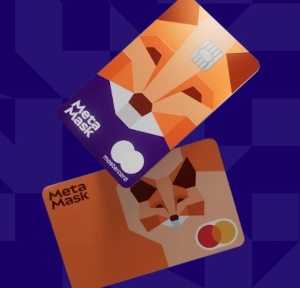
MetaMask Card is one of the strongest choices for users who want to spend from a self-custodial wallet rather than keep funds on a centralized exchange. It works like a crypto debit card and lets users spend crypto anywhere Mastercard is accepted. The card connects to MetaMask wallet, and users keep control of funds until payment.
MetaMask lists current card availability in countries including the United States, United Kingdom, Canada, Mexico, Brazil, Argentina, Colombia, Switzerland and many European countries.
Best for: self-custody users, MetaMask users, stablecoin spenders.
Watch out for: supported tokens, supported networks, country availability, conversion costs and tax records.
2. Coinbase Card
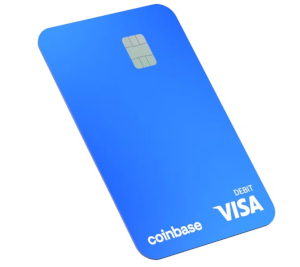
Coinbase Card is a practical option for US Coinbase users who want a familiar exchange-linked Visa debit card. Coinbase says US residents, excluding Hawaii, can spend crypto and US dollars wherever Visa debit cards are accepted. There is no application fee or credit check, and eligible users can use a virtual card after signup.
Coinbase says there are no Coinbase transaction fees for card spending, but a spread can apply when Coinbase buys, sells or trades crypto. It also clearly warns that using crypto with the card can be treated as selling property for US tax purposes.
Best for: US Coinbase users who want a simple card tied to an existing account.
Watch out for: US-only eligibility, Hawaii exclusion, spread, rewards variability and taxable disposals when spending crypto.
3. Crypto.com Prepaid Visa Card
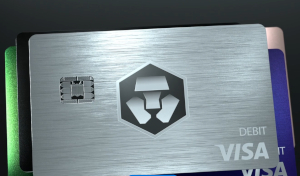
Crypto.com Prepaid Visa Card is a long-running crypto card product with multiple tiers and CRO-based rewards. Crypto.com advertises CRO rewards on everyday spending, with rates and caps depending on card tier, subscription or lockup structure.
The important detail is that this is a prepaid card. Crypto.com says the card must be topped up and cannot be loaded directly with crypto; cryptocurrency is converted into the relevant market currency before it can be loaded for card use. Fees, ATM limits and exchange rates depend on jurisdiction and card tier.
Best for: Crypto.com users who already use the app and understand CRO-based rewards.
Watch out for: tier requirements, changing rewards, ATM limits, regional fee schedules and the fact that it is prepaid rather than a bank debit card.
4. Nexo Card
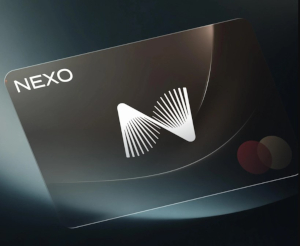
Nexo Card is a hybrid card with Debit Mode and Credit Mode. Debit Mode lets users spend available assets, while Credit Mode gives access to liquidity backed by crypto collateral. Nexo advertises up to 2% cashback, interest on available balances, Apple Pay and Google Pay support, and no monthly, annual or inactivity card fees.
Nexo Card is mainly relevant for eligible users in selected European countries, including the EEA and the UK.
Best for: users who want to choose between spending assets and borrowing against assets.
Watch out for: collateral risk in Credit Mode, eligibility limits, loyalty-tier conditions and local regulatory restrictions.
5. Bitpanda Card
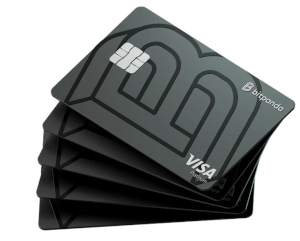
Bitpanda Card is a strong option for Eurozone users who already hold assets on Bitpanda. It is connected to a Bitpanda account and can spend from supported crypto wallets, metals wallets and the EUR wallet. Bitpanda says the card is connected to Visa and can be used where Visa is accepted.
Bitpanda Card is available in Eurozone countries, except Cyprus and Liechtenstein. Users must have a verified Bitpanda account and use the mobile app. The card offers 1% cashback when purchases are funded with cryptocurrencies, but stablecoins, precious metals, Bitpanda Stocks and fiat balances are excluded from cashback.
Best for: Eurozone Bitpanda users who want to spend crypto or other Bitpanda-held assets.
Watch out for: Eurozone availability, asset-to-fiat trading fees, ATM fees and cashback exclusions.
6. Wirex Card
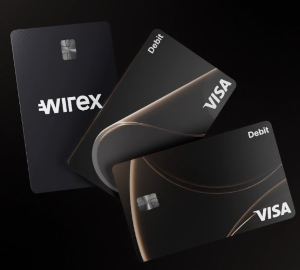
Wirex is a multi-currency crypto and fiat platform with card spending, rewards and savings features. Wirex advertises online and in-store spending, ATM withdrawals, rewards on transactions, up to 8% cashback and zero FX fees worldwide.
Wirex says its platform is available in over 130 countries, but card features and financial services differ by country.
Best for: multi-currency users who want one app for crypto, fiat and spending.
Watch out for: country-specific card availability, rewards conditions and fee schedules.
7. Bybit Card
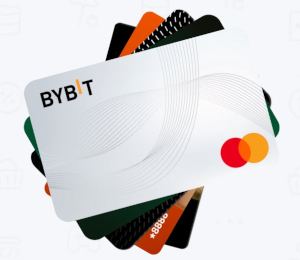
Bybit Card is aimed at Bybit users who want to spend from their exchange ecosystem. Bybit advertises 2%–10% cashback on everyday spending, no annual fees and rewards linked to card use.
The card is highly regional. Bybit’s help center lists different supported fiat currencies, crypto assets, mobile wallet support and tax treatment by region. Supported regions shown in the help page include Argentina, AIFC, Georgia, Kazakhstan, Australia, Mexico, Peru, Brazil and Asia Pacific. The default crypto payment priority includes USDT, USDC, TON, BTC, ETH and XRP, but users can change the order.
Best for: active Bybit users in supported regions.
Watch out for: regional rules, conversion fees, ATM fees, tax surcharges in some countries and the need to keep funds in Bybit’s ecosystem.
8. Uphold Debit Card
Uphold Debit Card has different regional versions. In the US, Uphold advertises a Visa debit card that can spend dollars or 300+ digital assets, with rewards depending on Essential or Elite plan. The US page states that the card is not available in Louisiana, New York or US territories.
In the UK, Uphold Card is positioned as a Mastercard debit card for spending cash or crypto, with 1% cashback on cash purchases up to £100 per month, no setup or annual fees, and no foreign transaction fees. Crypto-funded purchases are not eligible for UK cashback.
Best for: Uphold users in the US or UK who want a wallet-linked card.
Watch out for: different US/UK terms, rewards caps, annual fee on some US plans, and taxable events when spending crypto.
9. CL Card compatible with Ledger
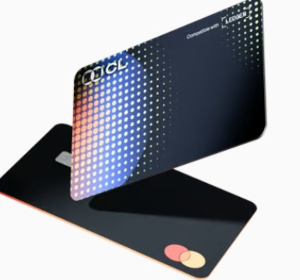
CL Card compatible with Ledger is provided by Baanx and designed for Ledger users. Ledger says the card can be funded via Ledger Wallet, offers 1% cashback in BTC, USDC or USDT depending on country, and can be used with Apple Pay and Google Pay.
Ledger states that the CL Card is currently available in the EEA, UK, US, Canada, Switzerland, Colombia, Mexico and Brazil. The card must be funded before use; the crypto-to-fiat conversion happens at purchase.
Best for: Ledger users who want a card integrated with their hardware-wallet workflow.
Watch out for: Baanx account terms, card funding requirements, regional fee schedules and whether you want to move assets from cold storage into a spending setup.
10. Gnosis Pay Card
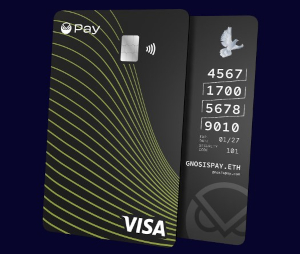
Gnosis Pay Card is a self-custodial Visa debit card focused on stablecoin-style spending from a blockchain address. Gnosis Pay advertises up to 5% cashback in GNO, no transaction fees, no gas fees, no FX fees and no off-ramping fees, with the service powered by Monerium.
Gnosis Pay says users’ assets are stored in a Safe wallet they own. The broader help center says the Gnosis Pay Card is currently available to legal residents of selected countries in Europe and Latin America.
Best for: users who want self-custodial stablecoin payments on Visa rails.
Watch out for: limited market availability, supported stablecoins, smart-account setup and exact fee/reward conditions.
11. RedotPay Card
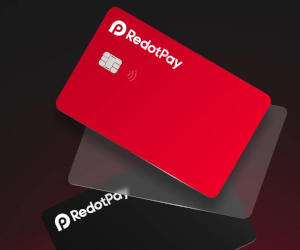
RedotPay Card is a stablecoin-based card for shopping, withdrawals and global spending. RedotPay advertises virtual card use for subscriptions, travel and everyday purchases, no annual fees and ATM withdrawals globally.
RedotPay also publishes a list of unsupported countries and regions. The list includes the United States, Russia, Belarus, Mainland China, Iran, North Korea and several others, so eligibility must be checked before relying on it.
Best for: stablecoin users outside restricted markets.
Watch out for: unsupported countries, KYC restrictions, card issuance restrictions and conversion/FX fees.
Fees to check before choosing a crypto debit card
“No annual fee” does not mean a crypto card is free.
The real cost is usually spread across several components:
- crypto-to-fiat conversion spread;
- trading fee when the card sells crypto;
- foreign exchange markup;
- ATM withdrawal fee;
- ATM operator fee;
- card issuance or shipping fee;
- monthly subscription or premium plan fee;
- inactivity fee;
- card replacement fee;
- reward-tier lockup or token holding requirement;
- blockchain network fee when moving funds into the card account.
Coinbase, for example, says there are no Coinbase transaction fees for card spending, but a spread applies when crypto is bought, sold or traded. Bitpanda says each card payment triggers an asset-to-fiat trade and that ATM withdrawals cost 2% or at least EUR 2. Bybit says ATM withdrawals above the monthly free allowance are charged 2%, and other foreign exchange or crypto conversion fees may apply.
Cashback: useful, but read the conditions
Crypto card cashback can be attractive, but it is often less simple than it looks.
Common limitations include:
- cashback paid in the issuer’s token;
- cashback caps per month;
- higher cashback only for paid plans or token lockups;
- excluded merchant categories;
- rewards unavailable for stablecoin, fiat or metal-funded spending;
- rewards changing without much notice;
- rewards taxable in some countries.
Crypto.com rewards depend on card tier and may involve subscription or CRO lockup requirements. Bitpanda pays 1% cashback only when using crypto as the payment method; stablecoins, metals, stocks and fiat are excluded. Uphold’s US reward structure differs between Essential and Elite plans, while the UK card pays cashback on cash purchases but not crypto-funded purchases.
Supported countries: always check the official page
Crypto card availability changes often because cards depend on local regulation, card issuers, banking partners, sanctions policy and identity verification rules.
A card can be accepted globally but issued only in selected countries. These are different things.
For example, MetaMask Card can be used globally anywhere Mastercard is accepted, but signup is limited to supported countries listed by MetaMask. Gnosis Pay says its Visa card works broadly where Visa is accepted, but the card is available only to legal residents of selected countries in Europe and Latin America. Bitpanda Card is limited to Eurozone countries, excluding Cyprus and Liechtenstein.
Tax issue: spending crypto may be a taxable event
In many countries, spending crypto is not treated like spending ordinary cash. It may be treated as selling or disposing of an asset.
In the US, the IRS treats digital assets as property for tax purposes, and Coinbase states that using crypto with Coinbase Card is treated similarly to selling cryptocurrency and may require reporting gains or losses. In the UK, HMRC says a disposal includes using tokens to pay for goods or services.
This does not mean every purchase produces a large tax bill. Stablecoins may create little or no gain if they stay close to fiat value, but records still matter. Keep records of the transaction history, the asset used, fiat value, date, fees and cost basis.
Crypto card vs direct crypto payment
| Feature | Crypto debit card | Direct crypto payment |
|---|---|---|
| Merchant acceptance | High if Visa/Mastercard accepted | Limited to crypto-friendly merchants |
| Merchant receives | Usually fiat | Crypto |
| Refunds | Often follow card or issuer rules | Manual crypto refund |
| KYC | Usually required | Depends on merchant |
| Tax tracking | Often needed | Often needed |
| Network fees | Usually hidden in conversion/funding flow | Paid directly by user |
| Self-custody | Depends on card | Possible |
| Best use | Everyday spending | Crypto-native merchants, donations, Web3 services |
A card is usually better for groceries, hotels, restaurants and subscriptions. Direct crypto payment is better when the merchant genuinely accepts crypto and you want to avoid an intermediary.
How to choose the best crypto debit card
Choose the card based on your real use case, not only the advertised cashback.
For most users, the order of importance should be:
- Is the card available in your country?
- Does it support the crypto or stablecoin you actually want to spend?
- Does it use Visa or Mastercard where you shop?
- What are the conversion spread and FX fees?
- Are ATM withdrawals important?
- Are rewards paid in a token you actually want?
- Does the card require token staking, subscription or lockup?
- Is the card custodial, self-custodial, prepaid or credit-backed?
- Can you export transactions for tax reporting?
- What happens if a transaction is declined or refunded?
Best picks by user type
| User type | Best fit |
|---|---|
| US Coinbase user | Coinbase Card |
| US self-custody user | MetaMask Card or CL Card |
| Eurozone Bitpanda user | Bitpanda Card |
| User who wants debit and credit modes | Nexo Card |
| Ledger hardware wallet user | CL Card compatible with Ledger |
| Bybit exchange user | Bybit Card |
| Stablecoin-first user | MetaMask Card, Gnosis Pay or RedotPay |
| Multi-currency traveler | Wirex or Crypto.com, depending on country |
| UK Uphold user | Uphold Card |
| Web3-native user | Gnosis Pay or MetaMask Card |
FAQ
Are crypto debit cards real debit cards?
Some are real debit cards, some are prepaid cards, and some are hybrid products. Crypto.com, for example, describes its product as a prepaid card that must be topped up.
Do merchants receive cryptocurrency when I use a crypto card?
Usually no. Most merchants receive fiat currency through Visa or Mastercard rails. Your card provider handles the crypto conversion, prepaid balance or credit-line mechanics.
Does using a crypto debit card create a taxable event?
It can. In the US, using crypto for card spending may be treated like selling property. In the UK, using tokens to pay for goods or services can be a disposal.
Which crypto debit card has the highest cashback?
Advertised cashback changes frequently. Bybit advertises 2%–10% cashback, Crypto.com advertises tiered CRO rewards, Gnosis Pay advertises up to 5%, and Uphold US advertises different rewards for Essential and Elite users. The effective rate depends on caps, exclusions, paid plans, token lockups and region.
Are crypto debit cards anonymous?
No. Most crypto cards require KYC because they are issued through regulated card and e-money partners. Even self-custodial cards usually require identity verification to issue a card.
Can I use a crypto debit card with Apple Pay or Google Pay?
Many cards support mobile wallets, but availability depends on country and issuer. Bitpanda, Nexo, Uphold, CL Card, Bybit and MetaMask Card mention mobile wallet or instant virtual card support in their official materials, but users should verify this in their region.
Is a self-custodial crypto card safer?
Self-custody reduces reliance on an exchange balance, but it does not remove card issuer risk, smart contract risk, KYC requirements, transaction restrictions or tax reporting. It is better for users who understand wallet security.
Is it better to spend Bitcoin or stablecoins with a crypto card?
Stablecoins are usually easier for predictable spending because their value is closer to fiat. Bitcoin may be suitable if you specifically want to spend BTC, but each purchase can create gain or loss calculations in countries that tax crypto disposals.
Why was my crypto card transaction declined?
Common reasons include unsupported merchant category, insufficient balance, expired card, incorrect funding asset, unsupported country, sanctions restrictions, ATM limitations, issuer risk controls or card network rules.
Can I withdraw cash from ATMs with a crypto card?
Many crypto cards support ATM withdrawals, but fees and limits vary. Coinbase says it charges no Coinbase ATM fee but ATM operators may charge their own fee. Bitpanda charges 2% or at least EUR 2 for ATM withdrawals. Bybit charges 2% above the free monthly withdrawal limit.
Are crypto cards better than direct Bitcoin payments?
For everyday retail spending, usually yes, because card acceptance is much broader. For crypto-native merchants, direct Bitcoin or stablecoin payment may be simpler and may avoid card issuer restrictions.
What is the main risk of crypto cashback?
The cashback asset may be volatile, capped, restricted by merchant category or linked to a paid tier. A high advertised rate is not always the same as a high effective rate.